From Our Stories to Our Classrooms: Why Black Voices Must Shape Writing, Publishing, and Education
We Are No Longer Asking for Permission to Tell Our Stories
We Are No Longer Asking for Permission to Tell Our Stories
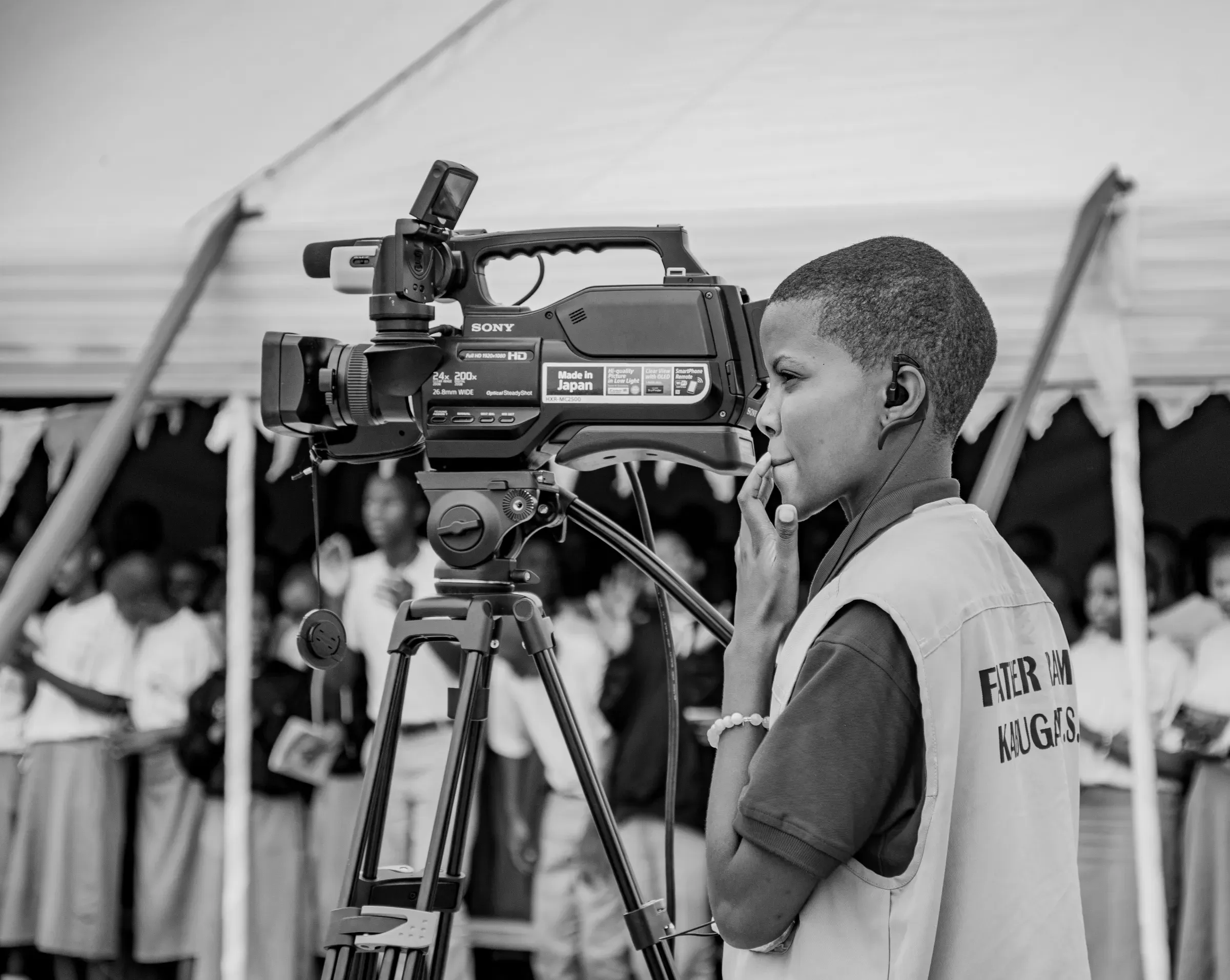
From independent publishing and journalism to filmmaking and education, a new era of creative ownership demands more than access. It demands the tools to get it right. For generations, the power to determine which stories are told, who gets to tell them, and how they reach the public has rested largely in the hands of institutions. Film studios decide which projects receive the green light. Literary agents and publishing houses determine which manuscripts are worthy of representation and investment. News organizations decide whose perspectives deserve a platform. School systems adopt approved curricula that determine which histories, ideas, and experiences students encounter in their classrooms. Each exercises a different form of authority, but the result is often the same: someone else decides whether our stories are told, how they are presented, and who gets to hear them. We are no longer asking for permission. Across creative, professional, and educational spaces, people are building alternatives to traditional gatekeeping. Authors are increasingly choosing self-publishing, transforming independent publishing into a substantial and growing industry. Journalists are developing their own brands, newsletters, and digital media platforms rather than relying exclusively on established news organizations. Filmmakers are exploring independent production and distribution. Families are turning to homeschooling and alternative educational models, seeking greater influence over what and how their children learn. These developments represent more than a collection of industry trends. They reflect a fundamental shift in who controls the creation, ownership, and distribution of knowledge. For Black writers, journalists, filmmakers, educators, and families, that shift carries particular significance. Our stories have too often been filtered through institutions that did not fully understand our experiences, recognize our expertise, or consider our perspectives essential. Even when our work gained entry, the authority to edit, market, distribute, or teach it frequently remained elsewhere. Independent platforms create opportunities to reclaim that authority. But independence introduces another challenge.

Removing the gatekeeper does not eliminate the work the gatekeeper once performed.
A self-published author still needs editorial development, professional formatting, distribution, and marketing. An independent journalist still needs research, fact-checking, ethical standards, and an audience development strategy. An independent filmmaker still needs production expertise, technical quality, and distribution. A homeschooling parent or independent educator still needs sound instructional design, learning objectives, appropriate materials, and meaningful ways to evaluate learning. Access to publishing tools does not automatically produce a well-developed book. Access to a camera does not guarantee a compelling film. Access to information does not automatically create an effective curriculum. And artificial intelligence, for all its potential, does not remove the need for human knowledge, cultural understanding, or professional judgment.

The next stage of independence is not simply having the freedom to tell our stories. It is having the resources, expertise, and tools to tell them right.
That distinction is essential. We should not have to surrender creative ownership to receive professional support. We should not have to depend on institutional approval to access the systems necessary to produce quality work. And we should not have to choose between maintaining our authentic voices and meeting professional standards. This is where writing, publishing, and curriculum development intersect. A story can become a book. A book can become an educational resource. Professional experience can become a course. Cultural knowledge can become a structured learning experience that reaches beyond a single generation. But each transformation requires intentional development. Through Yaah Imprint, we are building tools to support independent authorship, manuscript development, and publishing. Through GenEdSys, we are developing systems that help educators and subject-matter experts transform knowledge into structured, standards-aligned educational experiences. These are different platforms serving different creative and professional needs, but they are grounded in the same principle:
Ownership should not come at the expense of quality, and professional quality should not require surrendering ownership.
The goal is not to replace traditional publishers, studios, newsrooms, or school systems with technology. It is to ensure that creators and educators have meaningful alternatives—and the professional capabilities to make those alternatives successful. For Black voices in particular, this is about more than visibility. It is about preserving the integrity of our histories, recognizing our intellectual contributions, building economic opportunities around our expertise, and ensuring that future generations have access to knowledge we have helped shape. We are no longer asking for permission to tell our stories. Now we are building the infrastructure to tell them right.