Preserving Our Stories, Our Voices and Our Legacies
From Grandma’s Living Room at the Museum for Black Girls to the pages of a family memoir, preserving Black oral histories begins with giving our storytellers the opportunity to tell their own stories.
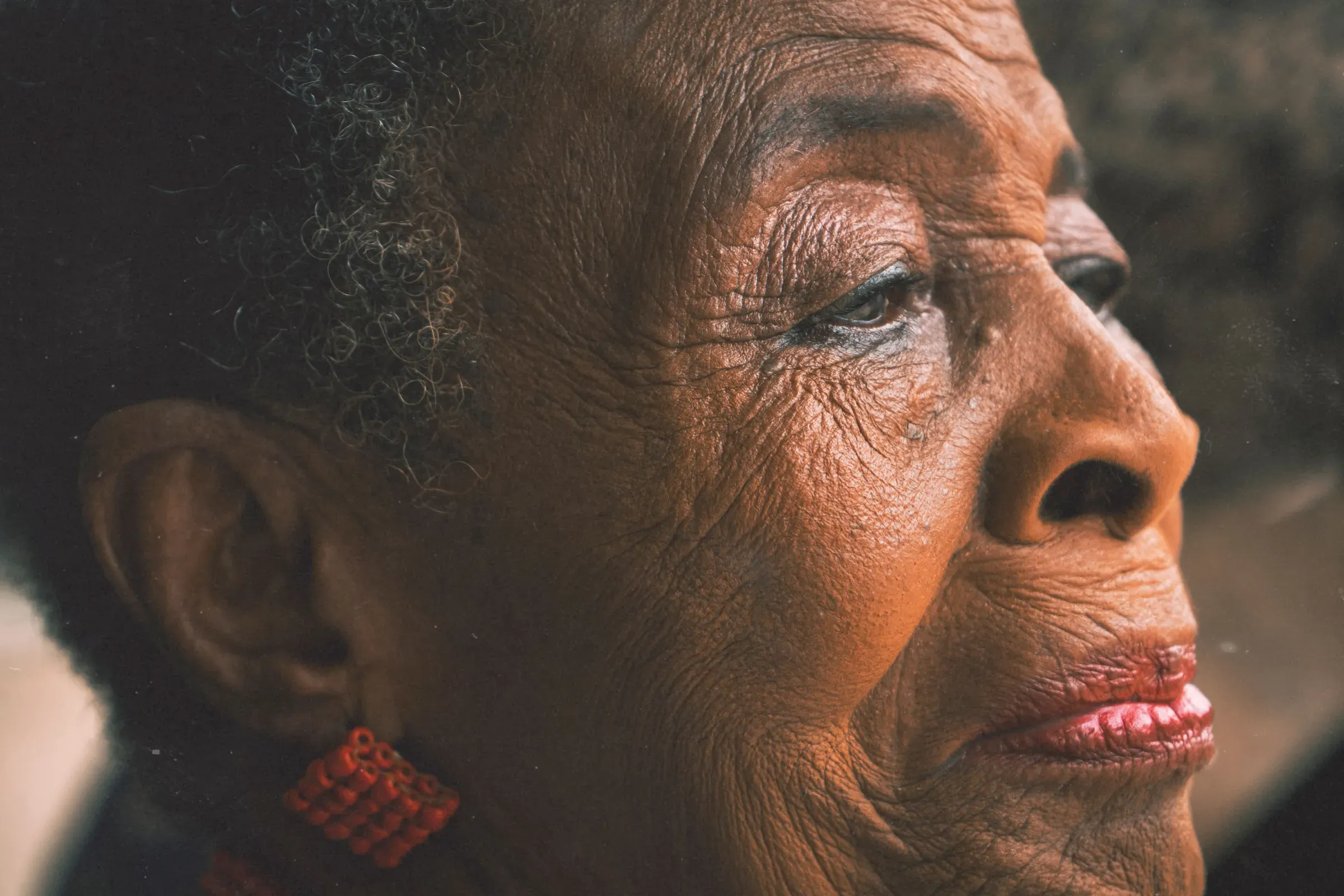
There is something about sitting in Grandma’s living room. The family photographs. The familiar furniture. The stories that begin with “Let me tell you something” and somehow transport us to a time long before we were born. For generations, these conversations have been an important part of how Black families have passed down their histories. Around kitchen tables, on front porches, during Sunday dinners and at family reunions, our elders have shared stories of survival, migration, love, ambition, disappointment, resilience and triumph.
Who Raised You? The Family Album
On November 21, 2026, the Museum for Black Girls opened its Oakland location at Jack London Square, brought an immersive celebration of Black womanhood to the Bay Area. Among its installations is Grandma’s Living Room, a space that recognizes the women who raised us and the environments in which so much of our cultural identity was formed.
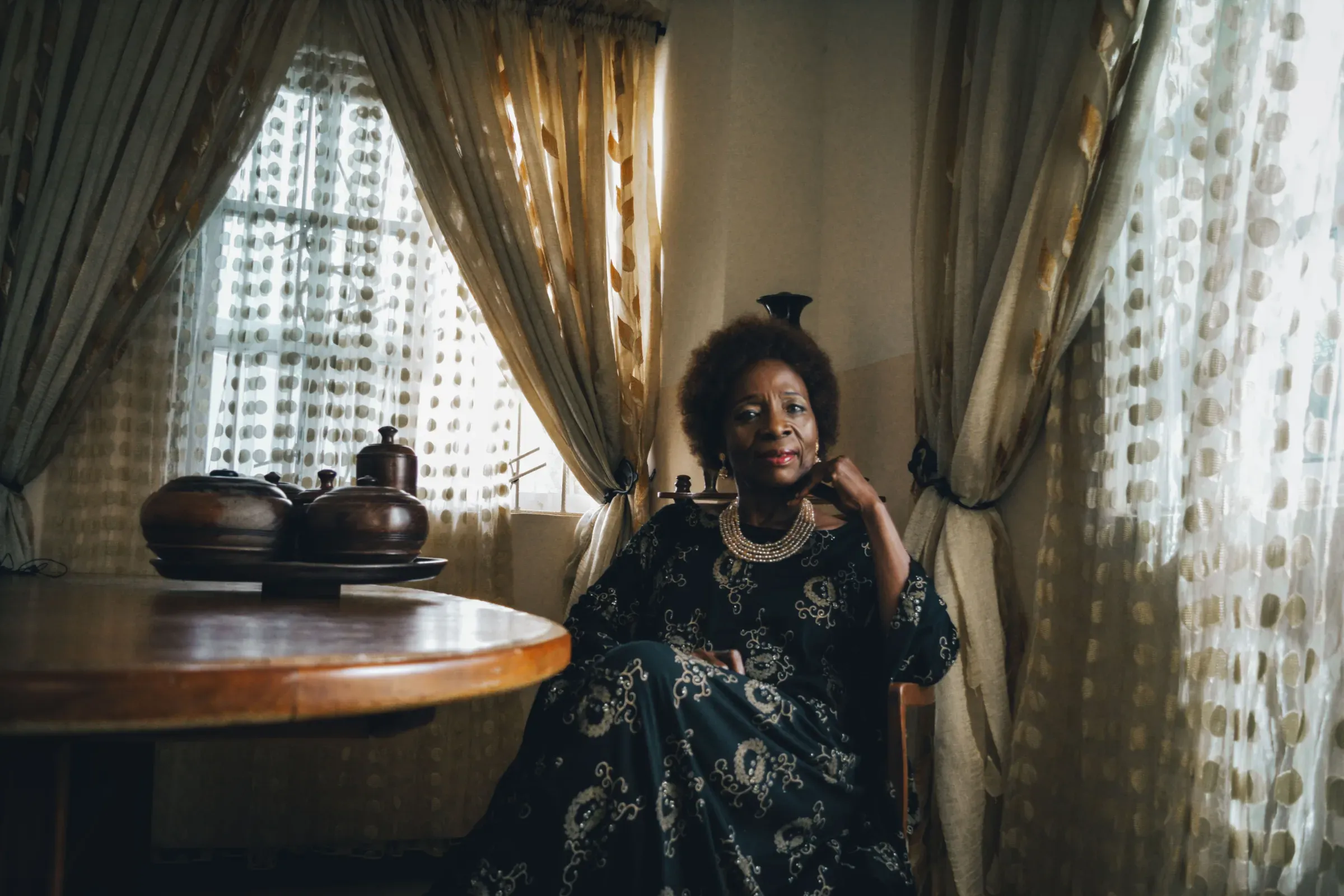
At the November 20 preview, Bay City News reporter Leslie Katz described family photo albums, a couch and a coffee table. The reporting also connected the installation to founder Charlie Billingsley, her mother Charmaine Billingsley, her sister Jada Dorsey and her grandmother Safiyyah Usman. Through its project, Who Raised You? The Family Album, the museum invited families to contribute photographs and voice recordings of the Black women who shaped their lives. The museum’s open call encouraged recordings of 30 to 90 seconds containing family stories, familiar sayings, advice or words of comfort.
A grandmother’s wisdom. An auntie’s favorite expression. A mother’s reassurance.
These seemingly ordinary moments are extraordinary pieces of our cultural history.
And while a museum installation can celebrate a moment from someone’s life, imagine what could be preserved if we gave that person the opportunity to tell her entire story.
Our Oral Histories Are Our History
Black history has never existed exclusively in textbooks, libraries or museums. Much of it lives within our families. It lives in the stories of grandparents who migrated from the South in search of opportunity. In the memories of women who built businesses, raised families, pursued educations and navigated institutions that were not designed to accommodate their ambitions. It lives in the experiences of people whose names may never appear in a history book but whose decisions fundamentally changed the lives of the generations that followed.
Historian Dr. Letitia Woods Brown recognized the importance of documenting these experiences when she identified the inadequate representation of African American women’s stories in historical collections. Her recommendation helped establish the Black Women Oral History Project at Harvard’s Schlesinger Library. Between 1976 and 1981, the project interviewed 72 Black women from across the United States.
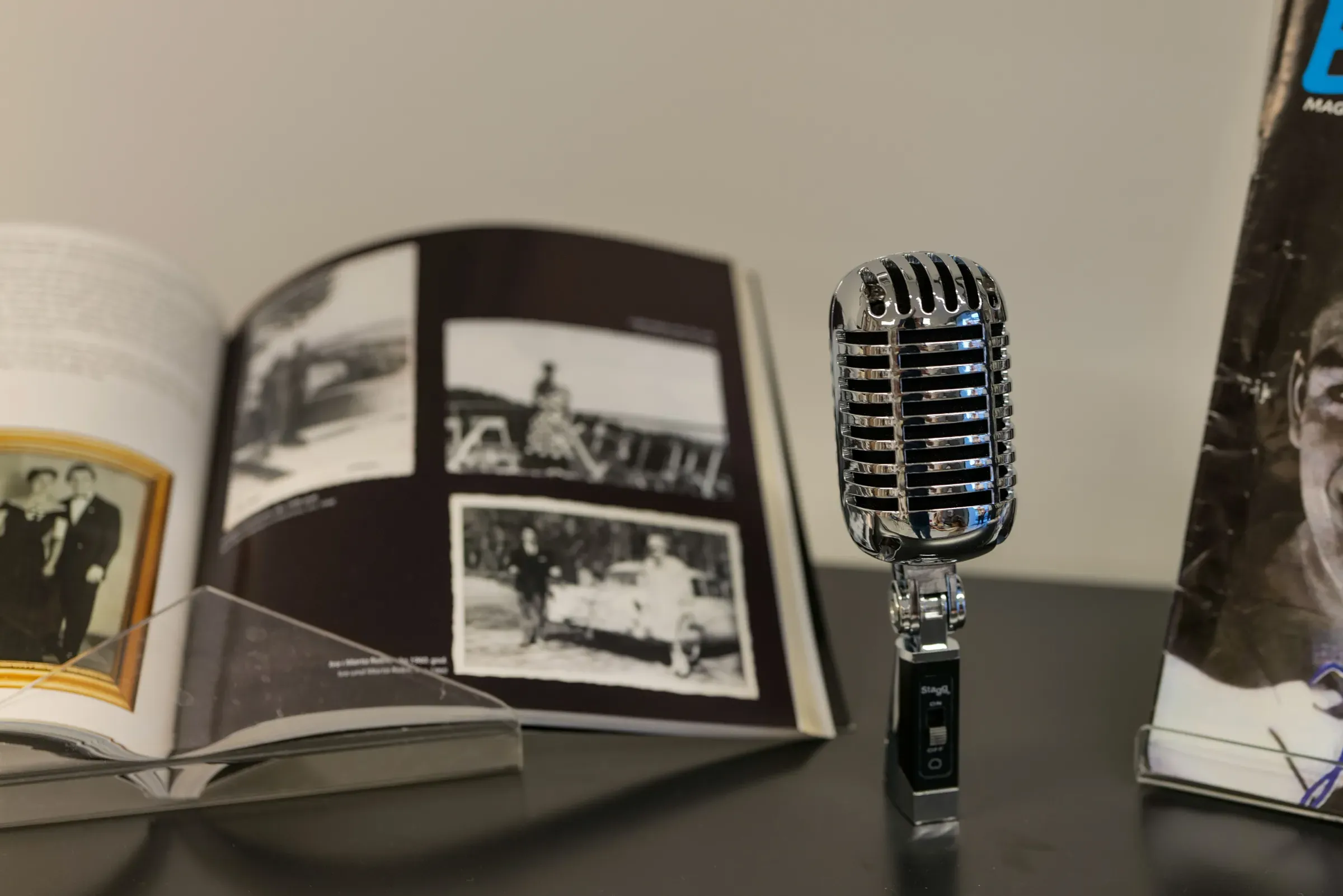
Oakland has its own history of preserving Black experiences. In 1946, Eugene and Ruth Lasartemay, along with Jesse and Dr. Marcella Ford, began collecting oral histories and artifacts documenting African American life in Oakland and the Bay Area. Their efforts form part of the history of the African American Museum and Library at Oakland. These initiatives recognized something that remains true today: if we do not intentionally preserve our stories, entire perspectives on American history can disappear. But historical preservation should not be limited to institutions or people whose accomplishments have already received public recognition.
Every family has a history worth preserving.
Preserving Our Stories on Our Own Terms
There is an important distinction between having your story documented and having the opportunity to tell your own story.
Who decides which memories are included? Who determines how they are presented? Who decides whether those experiences remain within the family or become available to the public? The collection’s entry for librarian Miriam Matthews distinguishes between access to her written transcript, access to her audio recordings and permission to quote her words in a publication. Her audio recordings are closed to research until 2027, while publishing quotations from her transcript requires written permission from Matthews or her heirs. This demonstrate that preserving a story does not require making every part of it available to everyone. The Oral History Association’s ethical guidelines similarly emphasize the importance of allowing storytellers to review and approve their interviews before they are publicly shared.
Our elders should have that same opportunity within our families. A grandmother may want to share her childhood memories but keep certain personal experiences private. A father may want his children to understand the decisions he made without sharing those experiences publicly. A mother may want to document her life as a woman, rather than exclusively through her identity as someone’s mother. Preserving someone’s legacy should include respecting their authority over how that legacy is told.
As we have previously explored in From Our Stories to Our Classrooms: Why Black Voices Must Shape Writing, Publishing, and Education, representation is about more than being included in someone else’s narrative.
It is also about having the opportunity to create our own.
What If Our Words Could Write Themselves?
How many times have you listened to a family member tell a story and thought, “You should write a book”? Perhaps they laughed at the suggestion. Perhaps they said they would not know where to begin. Perhaps they never considered themselves a writer. The ability to tell a compelling story and the ability to sit down and write a manuscript are two different skills. Many of our greatest storytellers have never written a book. They know how to describe the people they have encountered, recreate conversations from decades ago and make us laugh at experiences we never witnessed. They can take us through entire chapters of their lives without ever putting a word on paper. What if writing a memoir or autobiography could begin with doing what they already do so well?
Talking.
That is the idea behind VoiceDraft™ by Yaah Imprint.
VoiceDraft helps storytellers transform spoken memories into structured manuscripts through a conversational writing experience.
Rather than confronting a blank page, storytellers can talk through their experiences, organize their memories, develop an outline and build their manuscripts chapter by chapter. They can review what has been written, make revisions, revisit memories and decide which experiences belong in their books. The technology assists with the writing process. The storyteller remains the author. Whether the finished manuscript becomes a privately shared family memoir or a published autobiography is their decision.
This Holiday Season, Give the Gift of Gab
We spend so much time trying to find the perfect gifts for the people we love. But what do you give someone who has spent a lifetime giving to everyone else? Perhaps you give them the opportunity to tell their story. Give your grandmother the opportunity to document the life she lived before she became Grandma. Give your grandfather the opportunity to share the experiences that shaped the man you know today. Give your parents the opportunity to tell you about their dreams, their adventures, their struggles and the decisions that changed the direction of their lives. Or give yourself the opportunity to document your own journey for the generations that will follow.
A memoir can become more than a book. It can become a family heirloom, a historical record and an opportunity for future generations to understand the people whose lives made their own possible. The next time someone in your family begins a story with “Let me tell you something,” listen. Ask another question. Encourage them to remember. Give them the opportunity to tell you what happened next.
And instead of simply telling them they should write a book, give them the means to do it.
Turn oral histories into memoirs and autobiographies with VoiceDraft™ by Yaah Imprint.
Their voice. Their story. Their legacy.
This holiday season, give a gift that can last for generations.